



“Mistakes Were Made” is a monthly newsletter by Socratic CPG that dives deep into a case study related to the CPG industry. The newsletter is lengthy and intended to be read over the course of a month and saved for reference as needed by entrepreneurs and team leads. These thought-provoking case studies are not one-size-fits-all prescriptions. All case studies are based on real-world observations; however, I have taken the liberty to anonymize (to protect the innocent) and add a touch of drama (to engage the reader). I hope you find them thought-provoking and entertaining.
Disclaimer
While “Mistakes Were Made” is supposed to be a set of case studies amalgamated from experiences and cases witnessed by myself, this particular article will deviate from that format. The following is a skinnied down version of my real life experience becoming a category manager. In this instance, the singular “Marsha” represents the small handful of mentors who guided me through my journey of not only becoming a category manager, but also “growing up” in the corporate world. To those folks (they know who they are), I will forever be grateful. -John Henry
Executive Summary
A young category analyst is promoted to Category Manager and gains complete control of a small handful of categories for their retailer. In his first category review, he overloaded the categories with numerous options. While the vendor-facing work and building out such a wide-ranging assortment was exciting, he went took it too far. After two years, his bosses asked him to scale it back. They changed his reporting structure so that he would report to a category director with decades of retail category management experience. The director would mentor him on effectively managing a category and its vendor relationships. The first lesson was about the power of limiting choice.
During a single review period, the category manager streamlined the assortment to provide a A/B/C option for each set of items. This transformation significantly improved the category's financial and productivity performance. Customer feedback also became more positive, and cashiers noticed that customers were no longer complaining about not finding items at the checkout. Through a series of ups and downs, and with the patient guidance of his mentor, the category manager learned how to strike a balance between customer satisfaction, vendor performance, and financial performance.
Background
JB's Market is a super regional grocery chain with 10 stores located in the suburbs of Chicago. Known as JB's within its communities, this multigenerational family-owned chain has established itself as the heart of each community it serves. It's the kind of place where the butcher knows your dad's favorite steaks and the florist will remind you of your mom's birthday if they haven't seen you come in yet to buy her flowers and a card.
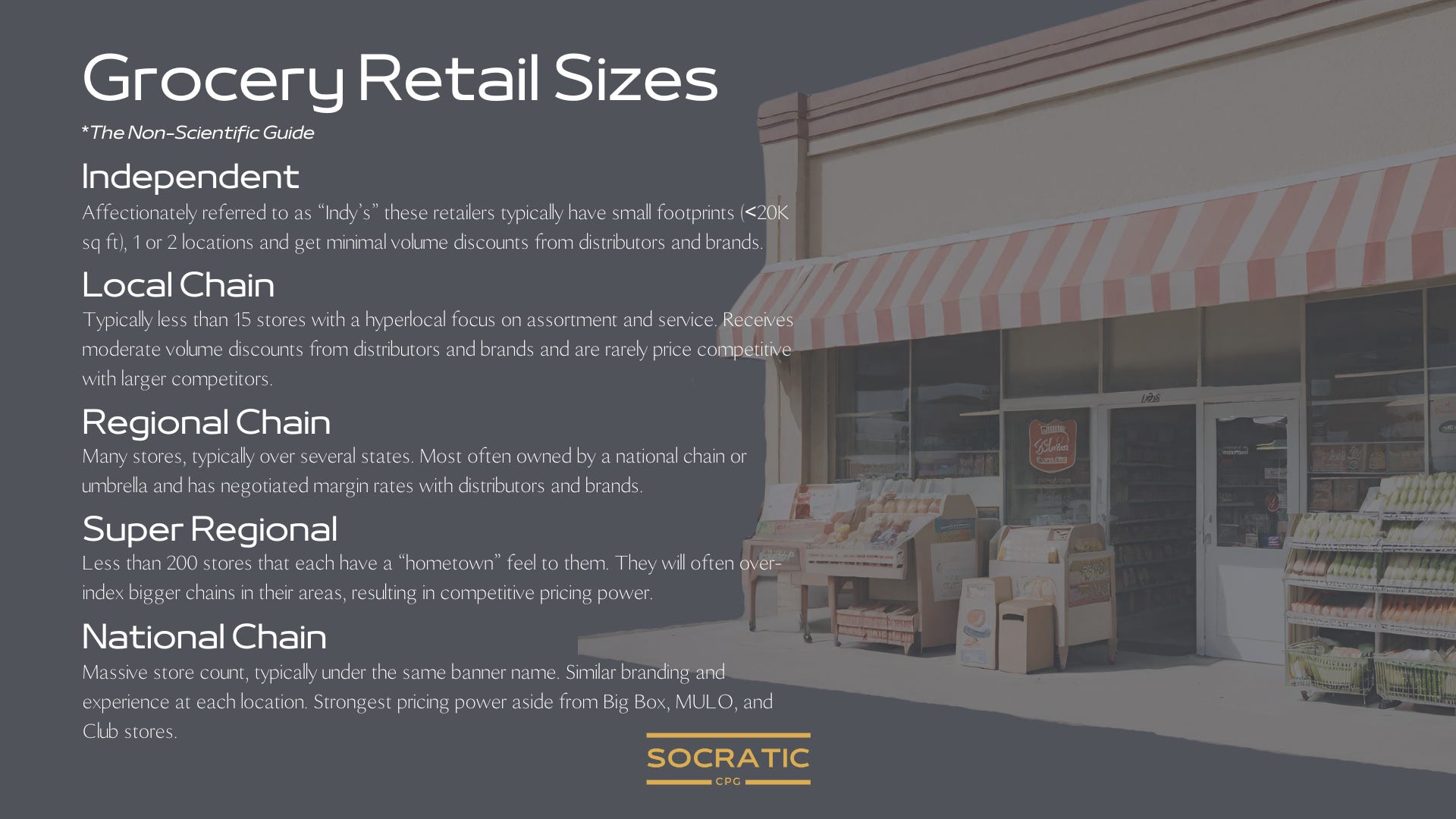
Our case study focuses on Henry, a young category analyst who has been with JB's for several years and was recently promoted to Category Manager. Henry deeply enjoyed his role as a category analyst and had demonstrated a genuine passion and talent for developing expertise in category management. The management team at the corporate office, located above their flagship store in a small set of offices, decided to assign Henry a group of non-volatile and relatively old-fashioned categories to manage independently. They wanted to provide him with an opportunity to prove himself, fully aware that even if he didn't succeed, it would be challenging for him to harm these categories. The assigned categories were: Shelf Stable Olives/Pickles/Peppers, Condiments (excluding BBQ sauce), and Canned Fruits/Vegetables.
While we will briefly touch on the first two years of Henry's tenure as a category manager, the majority of our focus will be on how his mentor, Marsha, guided him through the process of streamlining his assortment, navigating difficult vendor conversations, meeting corporate expectations, and the ultimate consequences of offering a limited but carefully curated selection on customer satisfaction, vendor satisfaction, and profitability.
Blowing Up The Assortment
When Henry first became a category manager, he became enthralled with the most exciting aspect of the role: brand building. The feeling of satisfaction and excitement a category manager experiences from being the first to introduce a product to the market, placing it on the shelf, and giving the dreamers behind the product a chance at success is immense. This thrill only grows stronger as a constant stream of vendors and brokers visit the office, their persuasive pitches creating an overwhelming sensation of power. However, for Henry, this enthusiasm turned into a two-year period of what could be best described as "assortment bloat." The store shelves began to reflect his personal preferences rather than meeting the actual needs of the customers. Having 8 different varieties of spicy pickles and 6 different types of canned green beans not only confuses customers trying to find what they want, but also adds complexity to vendor management and supply chains.
A One Cycle Course Correction
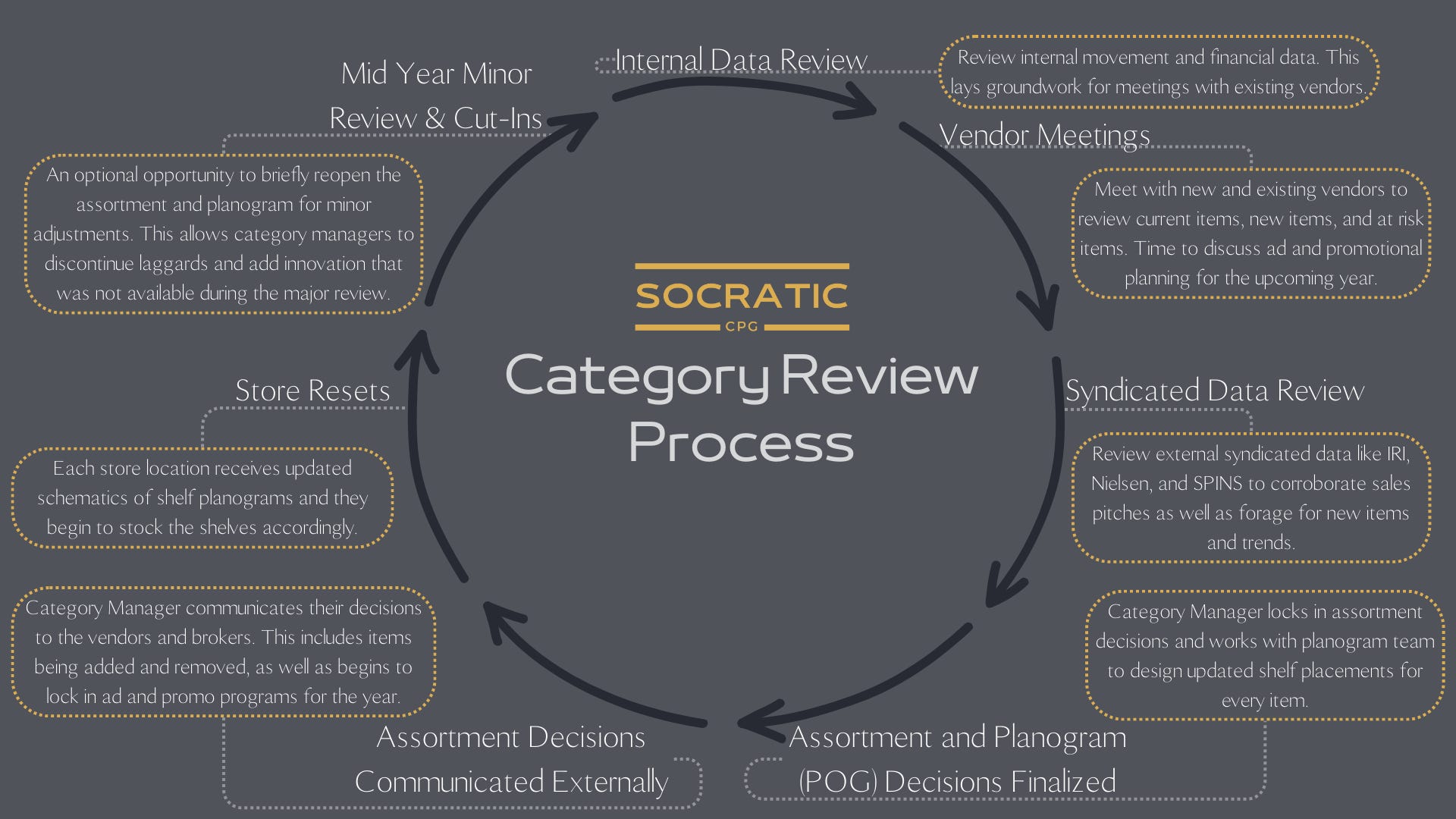
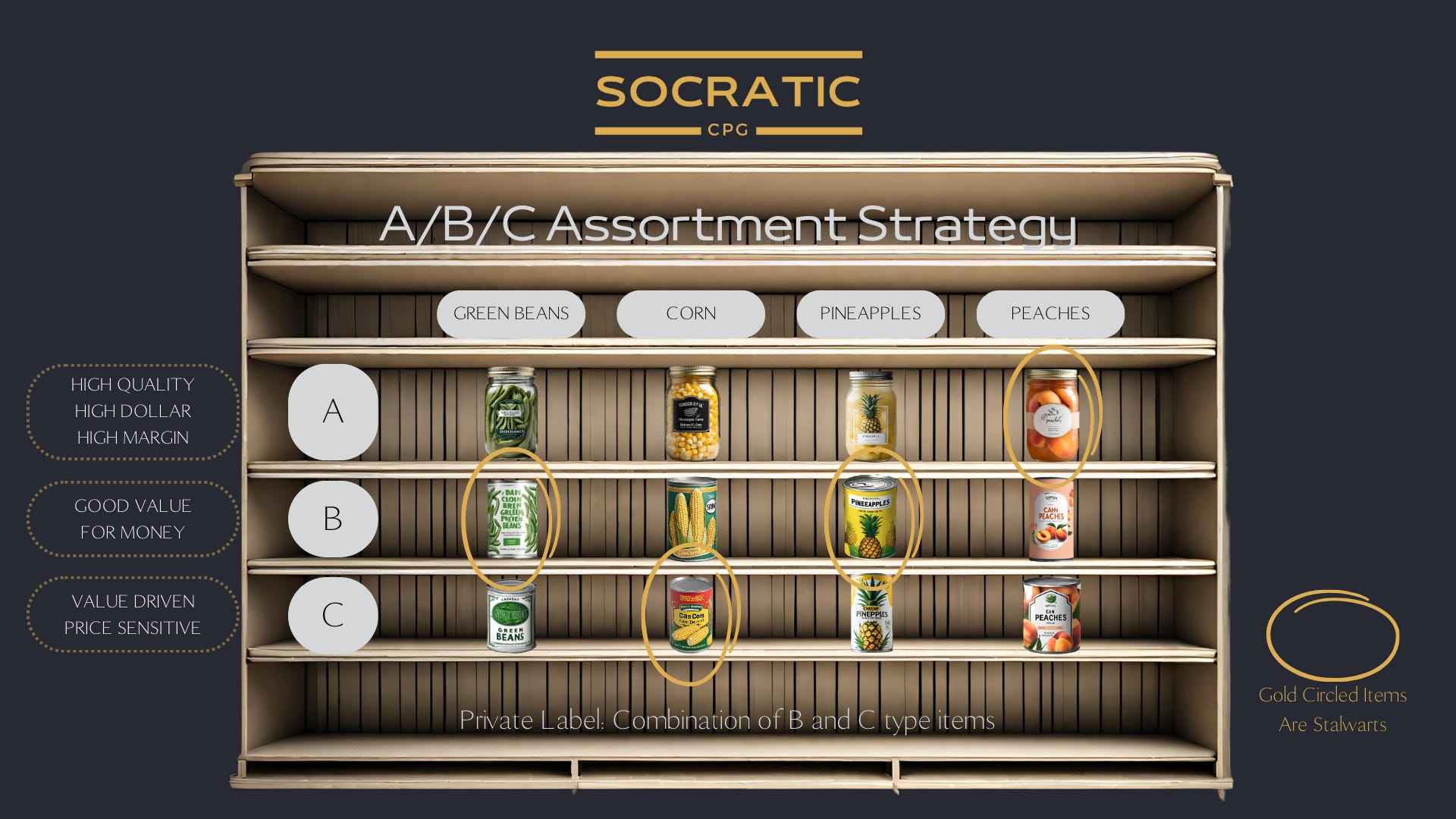
After a minor reporting change, Henry began working closely with his new boss, Marsha, to strike a balance between staying on trend, offering customer-centric choices, and maintaining a profitable assortment. Marsha first instructed him to analyze a 5-year dataset and identify the "stalwarts" within each category. Stalwarts refer to items and brands that act as anchors, allowing for experimentation without causing significant disruption to the category. To identify the stalwarts, Henry examined the data and singled out items that consistently generated a disproportionate share of sales over the entire reporting period. Once he had compiled this list, he had a foundation on which to build a new assortment strategy.
With the base established, Marsha then asked Henry to review each subcategory and select three options for each item based on quality and price: A, B, and C. A-items represented top-tier selections with high quality and high prices, while B-items offered good value for money with strong quality and price points. C-items were designated as value-based options. Henry was instructed to only select three SKUs for each type of item, unless he had a strong justification for adding more. In such cases, he had to rank the items and provide a written justification to Marsha explaining why additional SKUs were necessary for that particular type of item.
By requiring Henry to rank his selections and provide justifications for expanding the assortment, he realized that not all of his initial decisions could be justified. For the ones that could, he had conducted thorough research to support the decision to include more than three SKUs. This process prompted Henry to be more deliberate and methodical in his decision-making compared to previous years when he relied solely on his instincts without considering data or having any guidelines.
After completing the data review and vendor meetings as part of his category review process, Henry finalized his new assortment for the upcoming year. The assortment focused on a limited but carefully curated selection of choices per item. Items without significant innovation were typically limited to three SKUs of varying quality and price, while items with notable innovation had up to six SKUs. This streamlined approach not only made it easier and faster for consumers to make decisions but also allowed Henry to prioritize innovation when applicable.
Difficult Conversations Require Transparency
Once Henry finalized his assortment, he had to communicate his decisions to the vendor community. This task was challenging for Henry because in his first two years on the job, he had a tendency to say "yes" to anyone who presented something cool to put on his shelves. To help him with this, Marsha asked Henry to write down concise bullet points outlining the criteria he used to make his decisions. She also had him go through each subcategory and write at least two bullet points detailing what he is looking for in the future.
Marsha understood that there would always be pushback from brand sales teams when they received a decision that didn't favor them. By having Henry take the time to document his guidelines and expectations, he not only created a set of rules for reference during those conversations, but he also became more confident in communicating his expectations. When faced with pushback, Henry was less likely to back down from his decisions because he was well-informed and confident in his decision-making process.
Finally, the time came for Henry to communicate his discontinuation notifications. Instead of sending a blanket email with an Excel file to all vendors and brokers, Marsha advised him to provide an honest and transparent response to each brand, explaining why he made his decision. Following Marsha's advice, Henry wrote an email to each brand, informing them of the news and sharing the criteria he used to make his decision. He also included his two bullet points outlining what he was looking for in the future.
The CPG industry is small, and trust and honesty are essential for building successful billion-dollar brands and retailers. Henry's personalized discontinuation notices not only provided transparency on why brands didn't make the cut, but also offered each brand a roadmap of his expectations for future consideration. Brand salespeople appreciated and respected the effort and honesty Henry put into communicating his decisions. Additionally, Henry made their job easier for the following year by providing guidance on how they could adjust their offerings for a better chance of placement in the future.
Analysis: Strong Results and Stronger Relationships
After the category reset, feedback started pouring in. The initial feedback came from customers and store associates. Customers found everything they were looking for, spent less time deciding what to buy, and associates spent less time assisting customers with product selection. Operationally, shelves were restocked more quickly, store-level reordering became easier and faster, and the reduced number of unique SKUs decreased out-of-stock situations. Both in-store and in the backroom, the feedback was overwhelmingly positive.
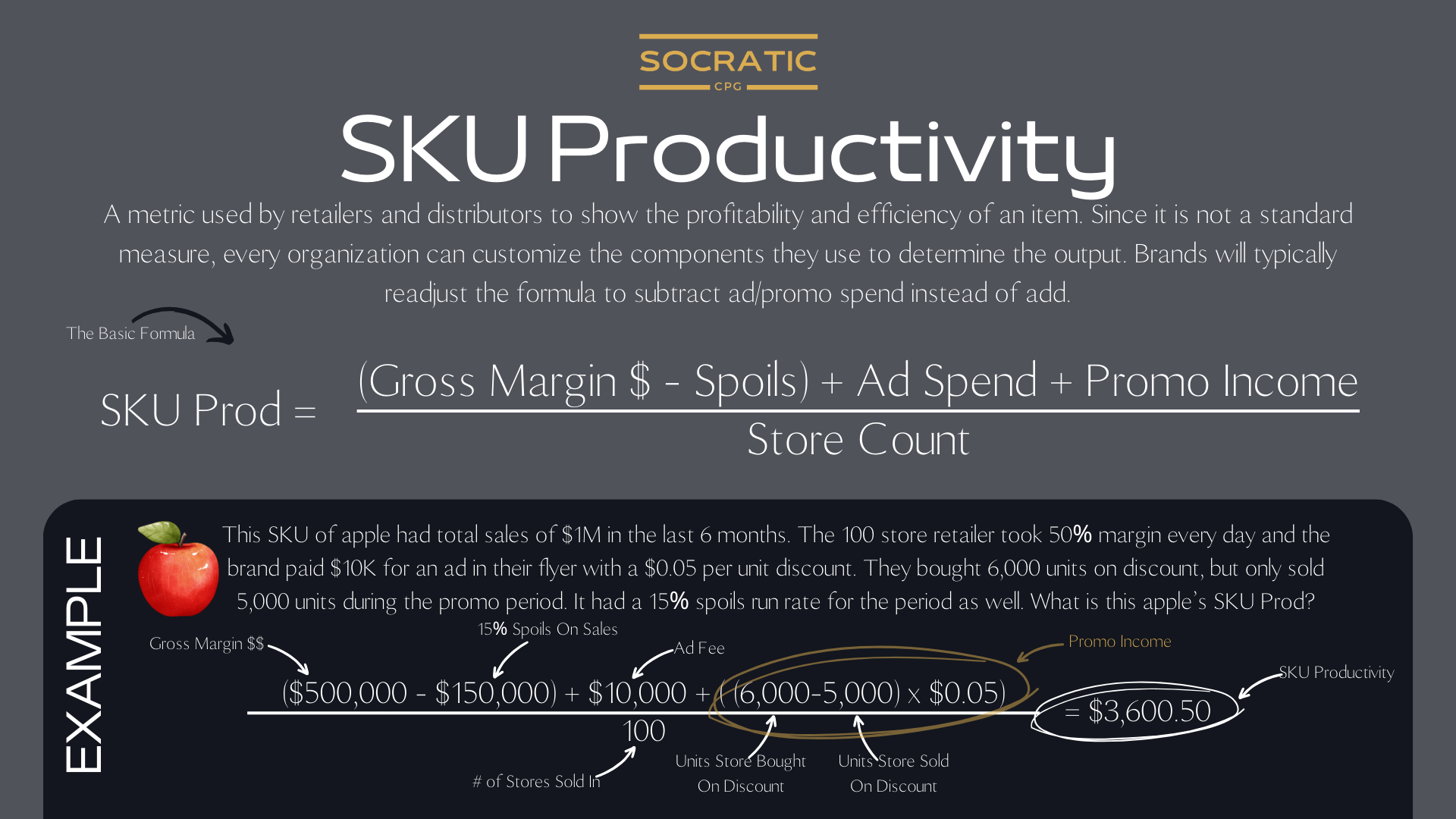
Internally and financially, Henry's refined assortment met the expectations set for him. Total category sales increased, partly because customers were no longer experiencing decision paralysis. Category margins also grew year over year at a faster pace than expected. This was due to making it easier for consumers to "upgrade" to higher-quality items and the significant reduction in spoilage with fewer options but more facings. These factors greatly improved Henry's category's SKU productivity, a key performance indicator for him as a category manager.
Lastly, Henry's relationships with vendors and brokers had an immeasurable impact as he continued to have honest and transparent conversations about his strategy. Openly sharing his thought process and aligning his thinking with theirs fostered teamwork and collaboration, even when not working together directly. This approach not only benefited Henry but also elevated JB's Market's reputation in the industry as Marsha's vendor management approach was implemented organization-wide.
Related Reading
TED | Sheena Iyengar: How To Make Choosing Easier
In 2015 my own category management mentor gave me this video of Sheena Iyengar discussing her research on choice. It is still required viewing for anyone I work with that is either entering category management or is the decision maker at a brand that has to rationalize their assortment.
Progressive Grocer | Small Formats’ Big Future in Retail
Steven Duffy, a grocery and retail design expert, walks through the key factors driving the change in store sizes. This is an incredibly insightful peek behind the curtain as to the influences driving store size (and ultimately assortment size) decisions in retailers of all formats and sizes.
Supply Chain Quarterly | SKU rationalization: Finding the right balance between too many and too few
A lengthy, but incredibly detailed, white paper laying out the push and pull forces surrounding SKU rationalization. This white paper includes rationales, formulas, and real data around reducing SKU counts.
Resources
Feel free to use these resources in your own decks and presentations.


Socratic CPG
Socratic CPG is a boutique consulting firm that specializes in supporting the success of Better For You focused consumer brands. Our areas of expertise include startup coaching, profitable scaling, asset light operations, and distribution strategies. For more information, please visit our website at www.socraticcpg.com or reach out to John Henry directly at JohnHenry@SocraticCPG.com.